REVIEW · HO CHI MINH CITY
Private Cu Chi Tunnels tour by Luxury Speedboat
Book on Viator →Operated by KIM TRAVEL · Bookable on Viator
Cu Chi is not just a stop. It is a whole day of contrasts. You leave Ho Chi Minh City by luxury speedboat, then trade the river for tight underground passages. I like the way the Saigon River cruise sets a calmer pace before the serious war lessons start.
Two things I especially liked: the hands-on tour style at the Cu Chi Tunnels, and the effort the guide puts into making the underground world make sense. On my trip, guide Nhu explained how the system worked in a clear, story-based way, including what people lived with down there.
One thing to think about first: this day is physically real. You’ll be asked to crawl into the tunnels, and the tour is not available for people with heart problems or for those needing accessibility support. It’s also a full 8 hours, so plan for a long stretch away from the city.
In This Review
- Key highlights worth knowing before you go
- Luxury Speedboat and the Saigon River: the ride sets the mood
- Getting to Cu Chi: 50 km out, and why the timing works
- Inside the Cu Chi Tunnels: more than photos
- The documentary video and guided explanations: make the underground world click
- Crawling into the tunnels: the thrill is also a test of comfort
- Underground bunkers: meeting rooms, hospitals, and ammunition areas
- Hoang Cam smokeless kitchen: wartime hiding, explained with food
- Lunch set menu: refuel before the return cruise
- Price and value: is $409.24 a smart buy?
- Who this tour fits best (and who should skip)
- The small details that matter on a day like this
- Should you book this private Cu Chi Tunnels by Luxury Speedboat tour?
- FAQ
- What time does the private Cu Chi Tunnels tour start?
- How long is the tour, roughly?
- How long do you spend at the Cu Chi Tunnels?
- Is hotel pickup and drop-off included?
- What transportation is used for this tour?
- What’s included in the price?
- Is lunch included, and can I choose vegetarian?
- Can children join?
- Is the tour suitable for people with heart problems or accessibility needs?
- What happens if weather is poor?
Key highlights worth knowing before you go
- Luxury speedboat river time: one hour each way, plus views of Saigon along the water
- Guided Cu Chi visit (about 4 hours on site) with admission included
- Tunnel crawl experience: the real-feel part of Cu Chi
- Underground rooms and trap explanations so the site clicks mentally, not just visually
- Hoang Cam smokeless kitchen + tapioca for a practical look at wartime hiding and food
- Private group format: only your group participates, with pickup and lunch included
Luxury Speedboat and the Saigon River: the ride sets the mood
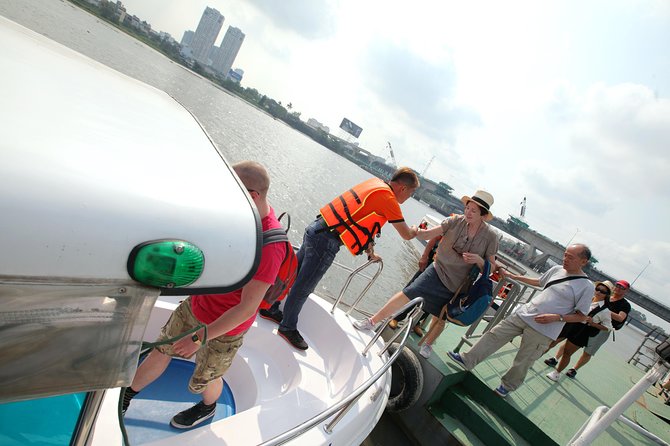
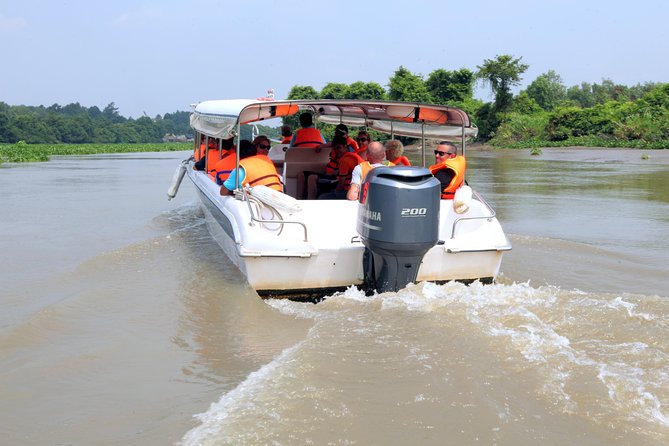
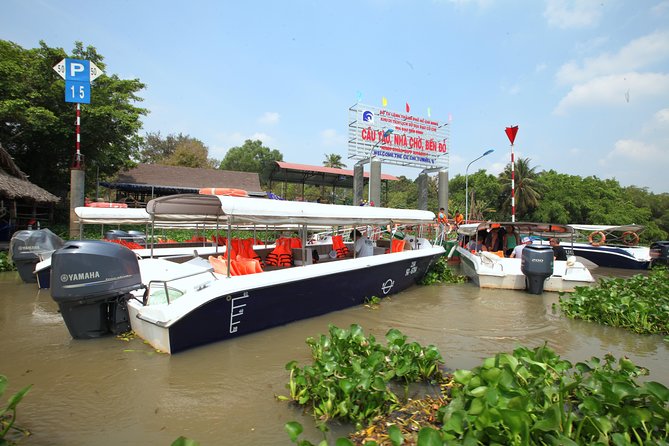
The day starts early, around 8:30 AM, when you head from Ho Chi Minh City toward Cu Chi. The big difference here is transportation: you cruise along the Saigon River for about one hour each direction. That transit isn’t wasted time. You get river air, changing views along the banks, and a different angle on the city than you’d get on a road trip.
If you’re the type who gets restless in long car rides, this is a smart fix. Time on the water tends to feel easier, and the pacing gives you a mental shift before Cu Chi turns intense. It also matters for value: when transportation is upgraded, you feel it all day, not just at the start.
Do keep in mind that this experience requires good weather. If conditions aren’t right, the tour may be rescheduled or refunded. Since it’s a speedboat, expect that weather plays a bigger role than on a bus.
Getting to Cu Chi: 50 km out, and why the timing works
Cu Chi is over 50 km from Ho Chi Minh City, and the tour is structured to give you a dedicated block at the tunnels. The schedule keeps things efficient: travel by speedboat, then about 4 hours at Cu Chi. That onsite time is long enough to include the key experiences without feeling rushed.
A common mistake with day trips is stacking too many stops. Here, the day is built around one main location, so you can focus. You’ll spend time understanding the tunnel system and then actually see (and try) the parts that made it infamous.
Also, there’s a built-in flow to the day. You don’t just walk in and wander. You’ll move through themed stops that explain what different areas were for, and then you’ll get the chance to physically experience the tunnels.
Inside the Cu Chi Tunnels: more than photos

The Cu Chi Tunnels are now a major educational site, tied to the anti-American war period in Vietnam. What makes it feel real is the scale of the original system: about 250 km of tunnels. Even if you never visualize every meter, you start to understand what that number implies for daily life and movement.
Your onsite time focuses on guided learning. You’ll visit underground bunkers and areas used for different purposes, including meeting rooms, hospitals, and ammunition-related spaces (and similar functions). This is where a speaking guide earns their keep. Without explanations, underground spaces can blur together. With guidance, they stop being dark holes and start becoming a map of survival.
You can also expect a documentary video as part of the visit. The tour includes a video described as only shown in this place, which helps it feel like more than standard walking-and-reading. It’s a useful warm-up before you crawl.
Practical note: the site is underground and enclosed. You’ll want to bring a mindset for close spaces and limited comfort. If you’re claustrophobic, decide carefully before booking.
The documentary video and guided explanations: make the underground world click
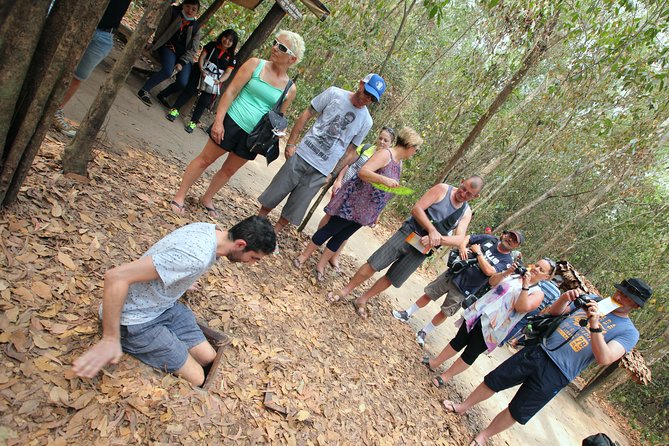
One of the most useful pieces of the experience is the way it teaches before it asks you to try. The documentary video sets context, then your guide’s explanations connect what you see to how the tunnels helped people operate under constant threat.
I like this approach because it reduces the guesswork. Cu Chi isn’t a place where you should show up hoping to figure things out by yourself. The underground systems worked through planning, deception, and smart engineering. A guide helps you notice those details instead of just seeing walls.
The tour also includes specific instruction on how traps function. That’s important. Traps aren’t just scary. They were part of the system that made the tunnels safer for the people using them and harder for enemies to penetrate.
If you’re the kind of traveler who likes to understand cause and effect, this is a strong match. You’ll leave with more than memories. You’ll have a framework for what the site is showing you.
Crawling into the tunnels: the thrill is also a test of comfort
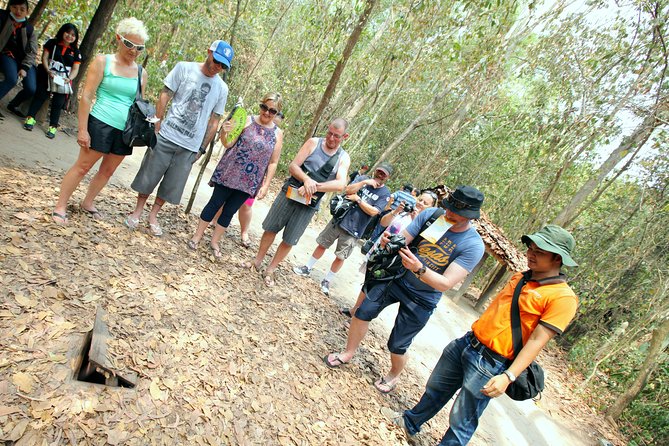
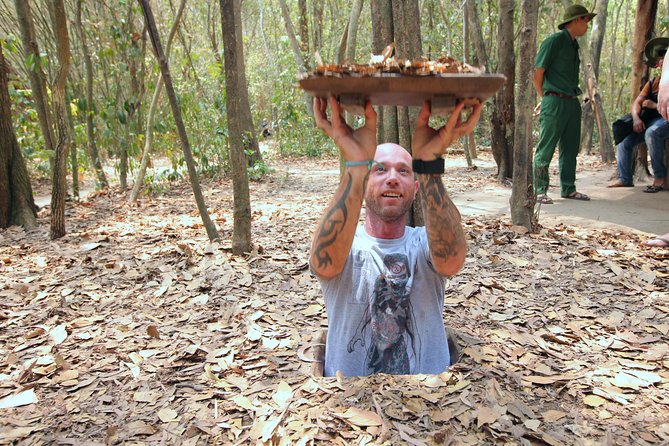
Yes, there’s a tunnel crawl option. This is the part that turns the day from educational to personal. Even when the tunnel sections you crawl are designed to be tourist-friendly, you still get a real sense of how movement changes underground—low ceilings, tight spacing, and the need to focus on your footing and breathing.
This is also where you’ll learn what words like cramped mean in real life. Expect a bit of physical effort, especially if you’re not used to bending and crouching for sustained moments. The good news: you’re doing it as part of a guided route, not trying to navigate on your own.
Who should take this seriously? Anyone who has mobility limitations, strong claustrophobia, or medical concerns should reconsider. The tour data states it’s not available for people with heart problems, and you need an adult accompaniment for children (with kids able to participate depending on the group’s rules at the time).
If you’re okay with tight spaces and want a memorable, hands-on experience, this part is absolutely the reason many people book.
Underground bunkers: meeting rooms, hospitals, and ammunition areas
The tunnels aren’t portrayed as one single tunnel line. They’re presented as an operating environment with multiple functions. You’ll visit underground bunkers and rooms described as including meeting rooms, hospitals, and ammunition areas, among other related spaces.
What makes these stops valuable is how they help you picture routine life. You begin to grasp that tunnels weren’t only for hiding during attacks. They supported coordination, treatment, and supply. That’s a big shift from how many people initially imagine wartime survival.
Here’s what you should pay attention to: how the site’s layout supports movement and control. When your guide explains what each area was for, you start to notice the logic. That’s when the underground world feels structured instead of random.
Drawback to flag: these spaces can feel dim and humid. Wear clothes you don’t mind getting a bit dusty and bring a calm attitude. This is a working tour route, not a museum stroll.
Hoang Cam smokeless kitchen: wartime hiding, explained with food
One of the most interesting and more “everyday-life” moments is the Hoang Cam smokeless kitchen. This stop is about how VC hid smoke. It’s a practical lesson, tied to daily survival needs: if you can’t stop cooking, you still have to avoid being spotted.
You’re also given a food experience tied to the same theme: the tour includes tapioca, described as the food the VC ate during the war. Taste isn’t the point of this stop so much as context. It helps you connect the technology and the hiding methods to real routines people had to keep going.
If you like history that includes daily details—food, tools, and small survival tactics—this part adds variety. It breaks up the heavier mood of tunnels and traps with something more relatable.
Lunch set menu: refuel before the return cruise
You’ll have a lunch set menu at a restaurant during the Cu Chi day. After hours underground and on guided walking, a scheduled meal matters. It keeps the pace from turning into scavenger-hunt time.
You can also request a vegetarian option when booking, so if your diet has limits, plan ahead. Set menus are usually efficient, but they can be less flexible on the day. The best approach is to state your needs during booking so the restaurant can prepare properly.
The biggest practical advice: don’t skip the lunch. You’ll likely want energy back for the speedboat return and any final walking at the end.
Price and value: is $409.24 a smart buy?
At $409.24 per person, this is not a budget day trip. The value case comes from three things that reduce hassle and add comfort:
- Private format: only your group participates. You’re not sharing the day with strangers who move at different speeds.
- Luxury speedboat transport: that’s a major cost driver versus standard road transport.
- Inclusions that add up: hotel pickup and drop-off, a speaking guide, admission ticket, lunch, mineral water, and travel insurance.
If you’re traveling solo or as a couple, the cost can still feel steep because private pricing is inherently less spread out. If you’re with a small group, the private speedboat part becomes more compelling fast—especially because the day’s main experiences are tied to that transport.
Also, booking is described as happening about 30 days in advance on average, so you’ll likely want to lock in your preferred date sooner rather than later.
Who this tour fits best (and who should skip)
This is a great choice if you want a guided, structured Cu Chi visit with a more comfortable travel day. I’d steer you toward this option if you like hands-on history, can handle tight spaces, and prefer a private tour format with hotel pickup.
It’s especially appealing for:
- Families who have kids old enough to crawl comfortably and can follow instructions (children must be accompanied by an adult)
- Couples or small groups wanting a smoother day outside the city
- Travelers who value explanations about traps and tunnel functions, not just sightseeing
It may not fit well if:
- You have heart problems or mobility limitations (the tour is not available for those situations)
- You know you’re uncomfortable in enclosed spaces
- You want a slow, low-effort experience
The small details that matter on a day like this
These are the practical bits that make the difference between a smooth day and a grumpy one.
- Pickup and drop-off are included, so you’re not managing your own transit after an early start.
- Travel insurance is included, which is a nice safety net for a long day with active components.
- You’ll get mineral water, so you’re not scrambling before or after the crawl.
- The tour ends back at the meeting point, which usually keeps things simple for the provider.
One more thing: since it’s a speedboat experience, pack for weather. If it’s sunny, you’ll want sun protection. If it’s damp, you’ll want practical clothing that dries fast.
Should you book this private Cu Chi Tunnels by Luxury Speedboat tour?
If your top priority is a Cu Chi day that feels efficient, guided, and comfortable enough to enjoy the journey, I think this one is worth serious consideration. The luxury speedboat makes the day less stressful, and the included guided learning—documentary video, underground rooms, trap explanations, and the kitchen-and-food stop—gives you more than a checklist of sights.
Don’t book it if you’re not comfortable with the physical reality of crawling into tunnels, or if you have medical limits like heart problems. Also, treat the price as part of the experience design. You’re paying for privacy, speedboat transport, and a bundled day that otherwise takes more coordination on your own.
If you want a day that balances education with real-feel moments, this is a strong fit.
FAQ
What time does the private Cu Chi Tunnels tour start?
The tour starts at 8:30 AM.
How long is the tour, roughly?
It’s listed as about 8 hours in total.
How long do you spend at the Cu Chi Tunnels?
You get 4 hours at Cu Chi, with admission included.
Is hotel pickup and drop-off included?
Yes, pickup and drop-off are included.
What transportation is used for this tour?
You travel by luxury speedboat, cruising along the Saigon River to Cu Chi (about one hour).
What’s included in the price?
Included items are an experienced speaking guide, lunch (set menu), hotel pickup and drop-off, luxury speedboat, mineral water, travel insurance, and admission ticket.
Is lunch included, and can I choose vegetarian?
Lunch is included as a set menu, and a vegetarian option is available if you request it at booking.
Can children join?
Children must be accompanied by an adult. Children under 5 are free, but parents handle any costs that arise during the tour.
Is the tour suitable for people with heart problems or accessibility needs?
No. The tour is not available for handicapped visitors and anyone with heart problems.
What happens if weather is poor?
This experience requires good weather. If it’s canceled due to poor weather, you’ll be offered a different date or a full refund.