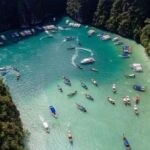
Koh Rok feels like a reset button. This day trip pairs clear-water snorkelling with quiet beach time on protected islands that only welcome visitors from mid-October to mid-May. I love how the trip is built around nature, not crowds, and I also like the steady flow of water, fruit, and lunch once you’re out on the sea. One thing to keep in mind: the beach time can feel a bit rushed between the different stops.
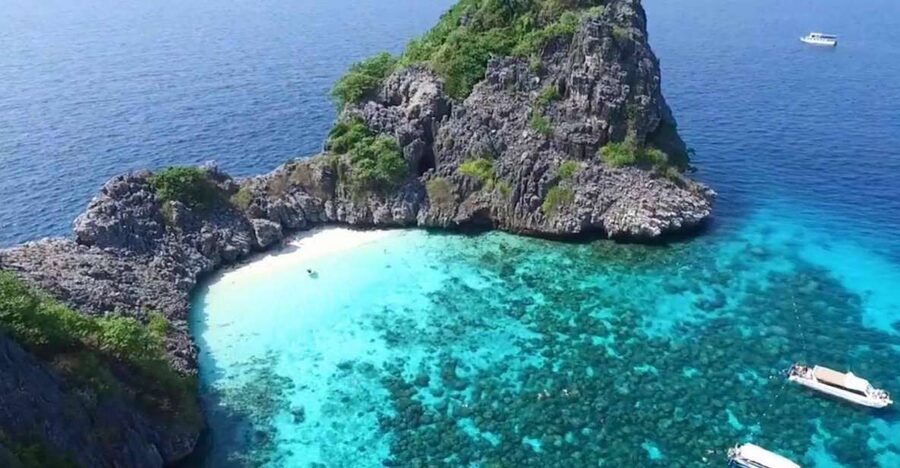
You’ll start with hotel pick-up in the Krabi/Ao Nang area and head to Leum Kruad Pier, then cruise by speedboat to the twin islands of Koh Rok Nai and Koh Rok Nok. The snorkeling starts early at a reef near Koh Rok, then you’ll have a beach break at Man Sai Beach before lunch on the sand. The next highlight is Koh Haa, where the underwater world stays bright and busy with tropical fish and coral.
In This Review
- Quick hits you’ll actually care about
- Why Koh Rok & Koh Haa feel different in the Andaman
- The speedboat day: from Ao Nang to the islands fast
- Stop 1 at Kok Rok Nok reef: your first snorkel moment
- Man Sai Beach break: sand, sun, and a little patience
- Thai lunch on the beach: the practical midday reset
- Koh Haa snorkel: second pass at the underwater world
- Nature rules, real-life expectations, and what can change
- Price and value: what $98 really covers in a day trip
- What to bring (and what to leave behind)
- Who this tour suits best
- Should you book the Koh Rok & Koh Haa hidden snorkeling tour?
Quick hits you’ll actually care about
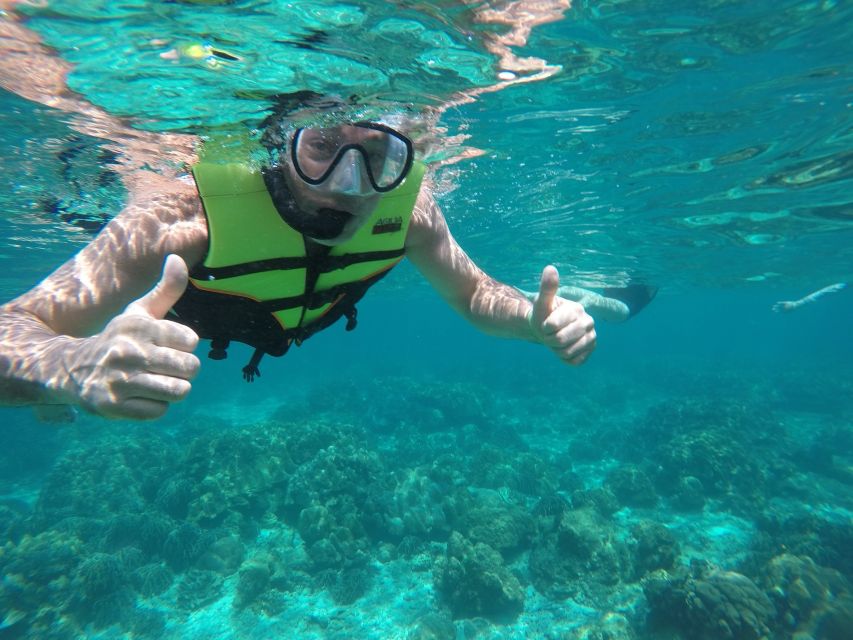
- Protected season access: Koh Rok & Koh Haa are open only from mid-October to mid-May to protect marine life.
- Two snorkel rounds: reef time at Kok Rok Nok + another snorkel at Koh Haa.
- White sand plus corals: Man Sai Beach break, then more ocean time with colourful fish.
- What’s included is useful: life jacket, snorkeling mask, water, fruit, and Thai lunch on the day.
- Bring cash for the park fee: national park entrance is not included.
- Light packing matters: no large bags, and the day is not ideal if you have back issues.
Why Koh Rok & Koh Haa feel different in the Andaman
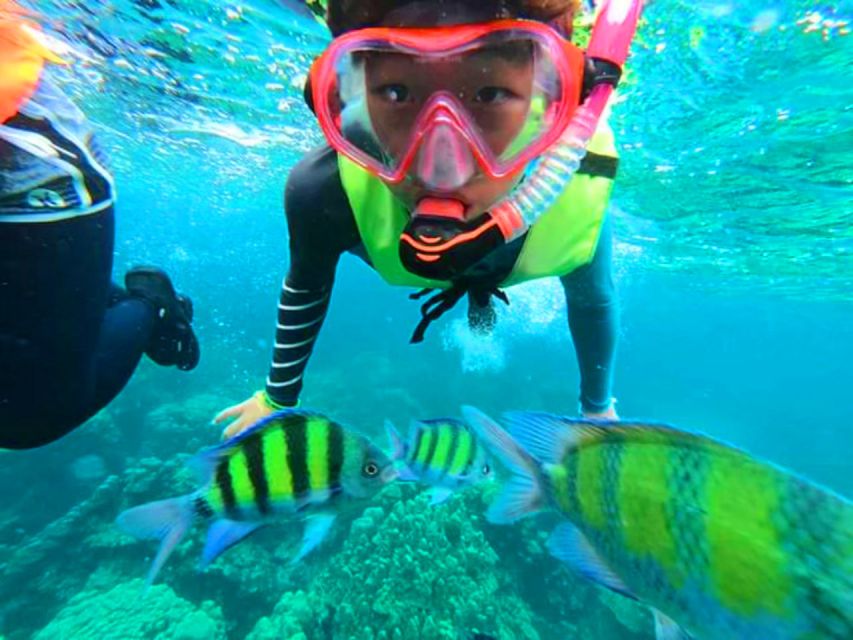
If you’ve done Krabi before, you know how quickly “beach day” can turn into a conveyor belt of boats. Koh Rok and Koh Haa don’t work like that because access is strictly seasonal. The area sits in protected waters under the Mu Koh Lanta National Park rules, and the islands are only open from mid-October to mid-May.
That limit matters. It means the water clarity and marine life you came for have a chance to stay healthy. You’re also more likely to feel like you’ve reached something quieter and more natural than the typical day-trip circuit.
And yes, there’s wildlife here beyond fish. The islands are known for metre-long monitor lizards, so keep your eyes open when you’re walking near the beaches or shoreline edges.
The speedboat day: from Ao Nang to the islands fast
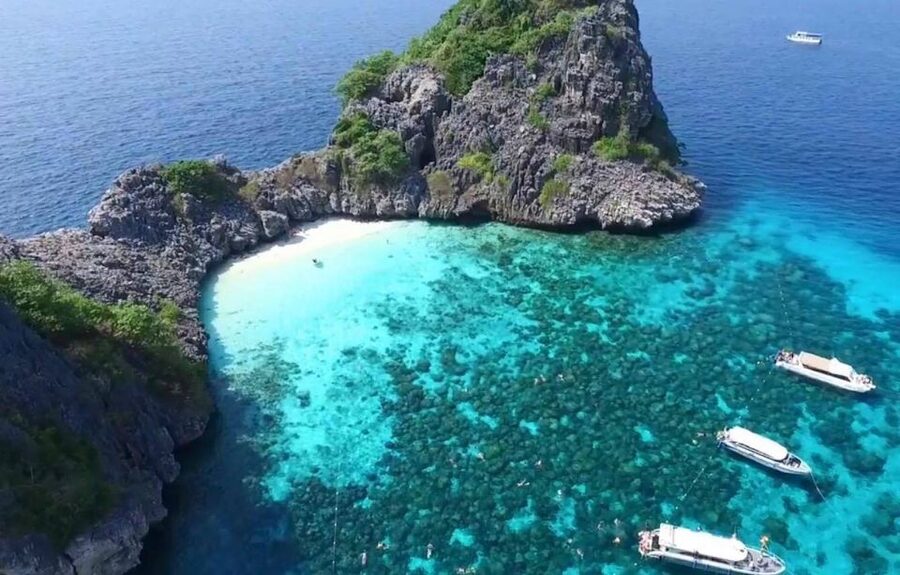
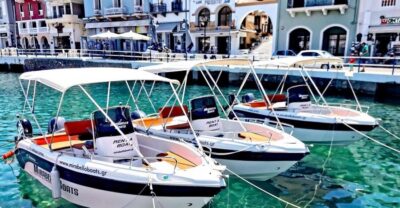
Your day starts with hotel pick-up in Ao Nang (the exact time is confirmed after reconfirmation). From there you’ll transfer to Leum Kruad Pier and set off by speedboat to Koh Rok.
Speedboat rides aren’t everyone’s favourite part of Thailand, but in this case they’re the trade-off for reaching Koh Rok and Koh Haa in time for both beach and snorkel windows. If you’re prone to motion sickness or you don’t handle waves well, take that seriously. The tour also notes it’s not suitable for people with back problems and not for pregnant women, which is a good sign that they’re not trying to force comfort where it won’t exist.
On the bright side, the pace keeps the day feeling efficient. You’re not spending hours in transit with little to show for it.
Stop 1 at Kok Rok Nok reef: your first snorkel moment
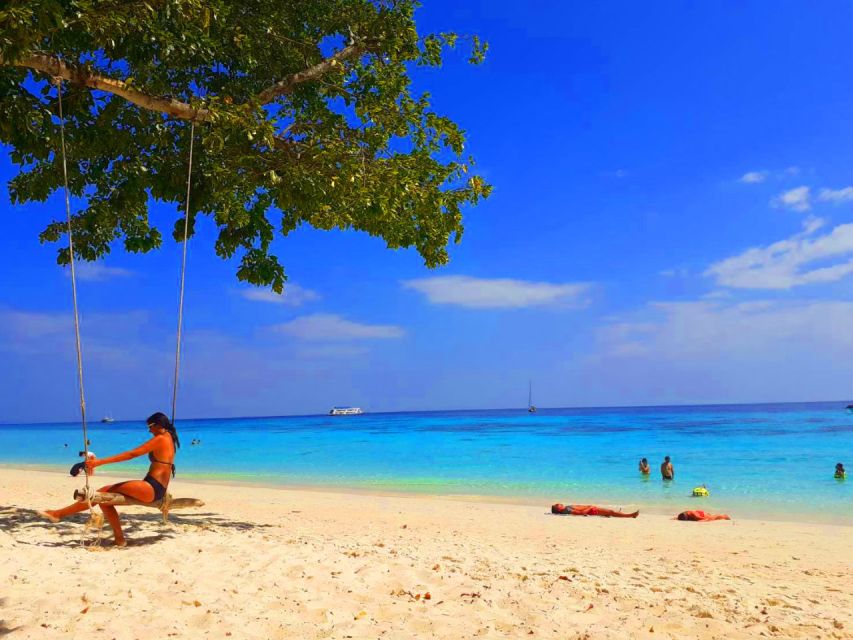
The first water time happens right after you arrive at Koh Rok—there’s a stop for snorkeling at Kok Rok Nok reef. This is where you’ll get your first look at the Andaman’s coral structures and the tropical fish that feed along the reef edges.
What I like about doing snorkeling early is that the day is still fresh in your body and your timing is clean. You’ll have the provided snorkeling mask and life jacket, which removes a lot of hassle. You’ll still want to do the basics well: check your fit, keep your gear secured, and choose a spot where you can breathe comfortably without fighting the current.
The waters here are known for being crystal clear, and you should plan on seeing coral and fish at a close, satisfying scale—big enough to feel like real exploration, but calm enough to enjoy without becoming a full-time athlete.
Man Sai Beach break: sand, sun, and a little patience
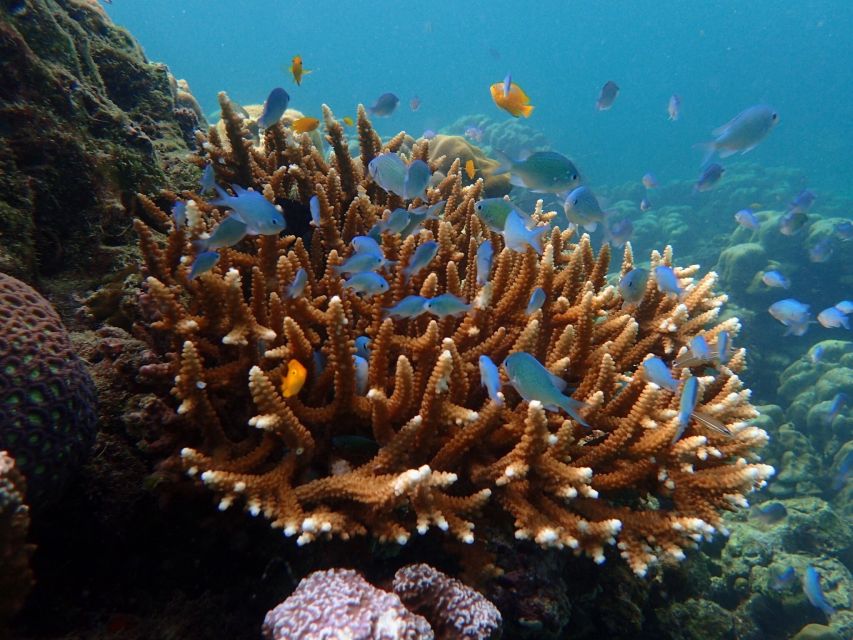
After the first snorkel stop, the boat tour shifts to the beach side with time at Man Sai Beach. This is where you can trade fins for toes and reset your breathing after being in the water.
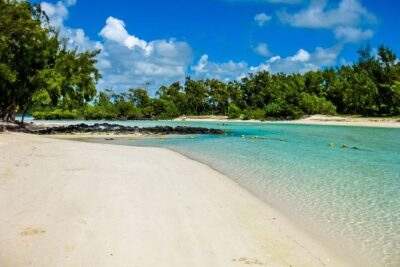
You’ll likely notice the “white-sand and clear water” thing isn’t just marketing. The shoreline feels open and bright, and it’s a nice moment to just watch the sea instead of constantly moving.
This is also where a lot of people feel the trade-off of the day-trip format: the time here is meaningful, but it can feel tight. I’d suggest planning your expectations for quick sunbathing rather than a long, slow beach day. Bring sun protection seriously, because this is open-sky coastline.
Thai lunch on the beach: the practical midday reset
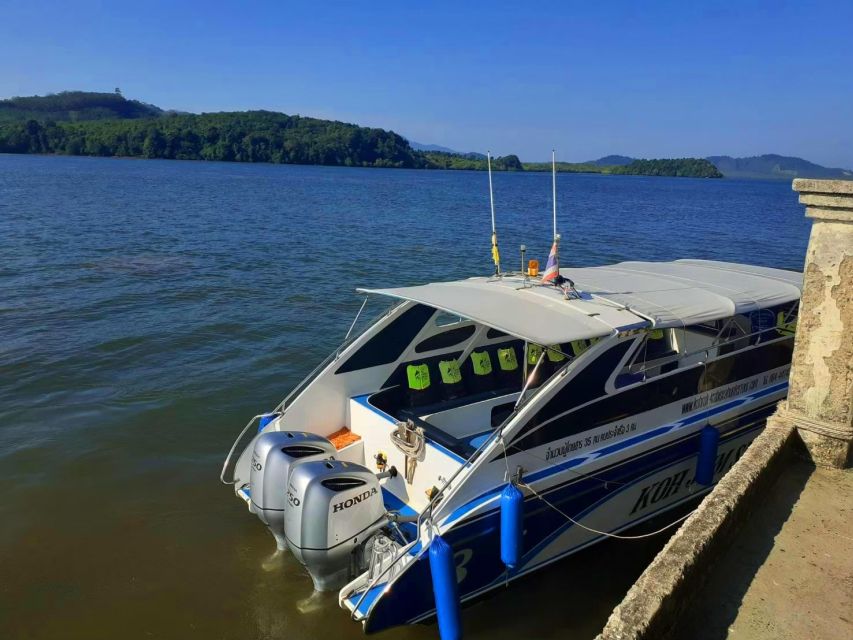
At noon, you’ll get a prepared Thai lunch served on the beach. This is the kind of meal break that keeps the day from turning into a constant snack scramble, and it’s also a nice cultural rhythm—food at a natural pause point instead of rushed, boxed meals.
The inclusions are simple but helpful: lunch, water, and fruit. In the better moments of the trip, the team also keeps small extras coming, which makes a big difference when you’re active all morning. You’ll be better off if you eat well here, because your afternoon includes another snorkel.
After lunch, you’ll have time to recharge before heading to Koh Haa. Think of this as your chance to dry off, adjust sunscreen, and make sure you’re ready for round two.
Koh Haa snorkel: second pass at the underwater world
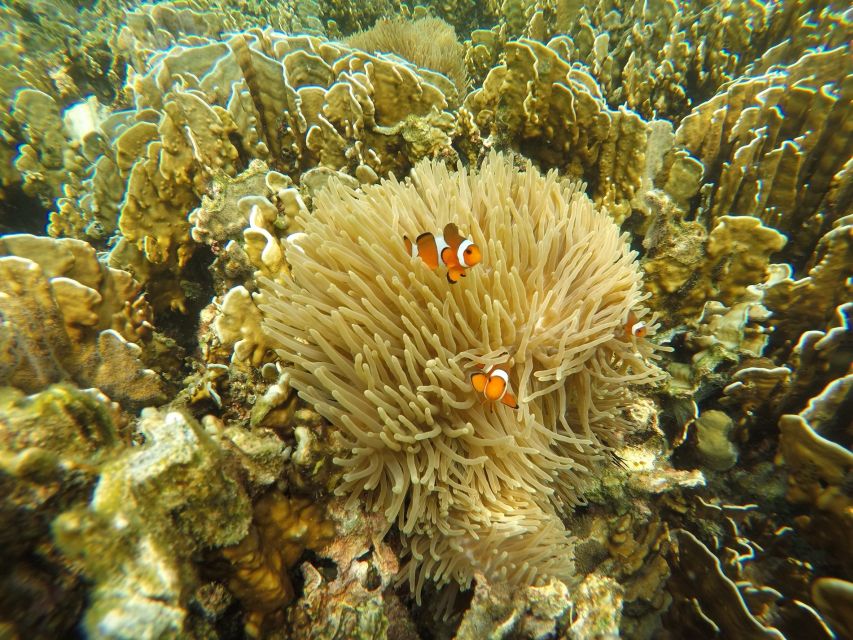
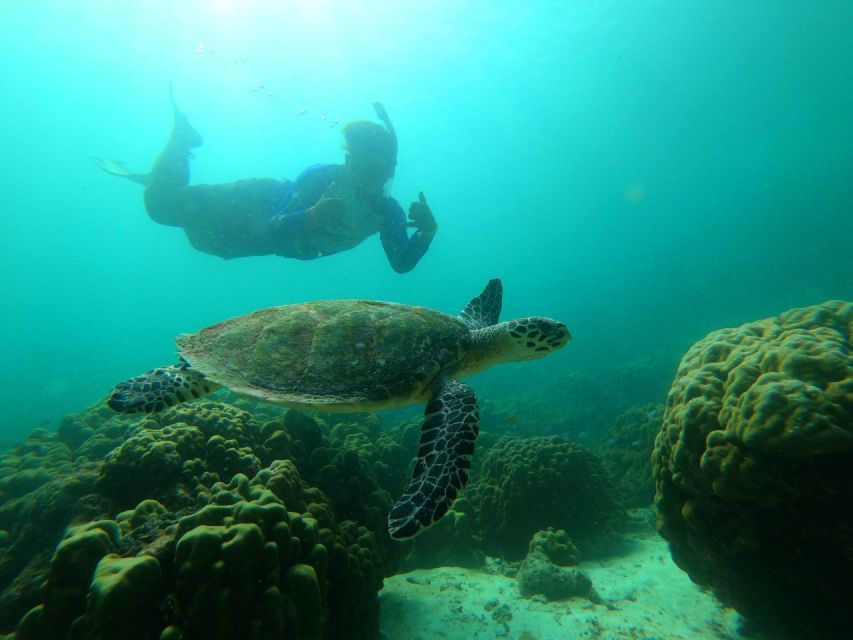
Next up is Koh Haa, and the main activity is another snorkel in the crystal-clear water. This section is all about the underwater world—tropical fish cruising around, coral features under the surface, and a general feeling of being in a protected marine area.
Doing a second snorkel stop has two advantages. First, it helps you see the reef environment again once you’ve gotten used to breathing and movement. Second, it gives you a better chance to spot different fish and coral than you saw at Kok Rok Nok.
If you care about photos, this is a good time to bring your camera—just remember you’ll want to keep it protected from sand and spray. The tour provides the snorkeling mask, but you still control your comfort and breathing, which affects everything you see underwater.
Nature rules, real-life expectations, and what can change

This trip is designed around seasonal environmental protection, and that’s why timing matters. Visit outside the mid-October to mid-May window and the islands won’t be available the same way.
You also should expect the schedule to be affected by weather and tide conditions. The good news is the tour is built to keep the day enjoyable even with adjustments. So if conditions force small swaps, don’t assume the whole plan will fall apart—just plan to be flexible.
And because the day is water-heavy, pack for the fact that you’ll get wet, sandy, and sun-exposed. Comfortable shoes matter for moving around the pier and beach edges, even if you’re wearing flip-flops most of the time.
Price and value: what $98 really covers in a day trip
At $98 per person, this isn’t a budget noodle-soup excursion. It’s closer to a mid-range, all-in active day that pays for the speedboat, guide, and the stuff you’d otherwise rent or buy.
Here’s what you’re covered for:
- Round-trip hotel transfers from Krabi/Ao Nang
- Life jacket and snorkeling mask
- Water, fruit, and Thai lunch
- Guide (English)
- Insurance
- Medication box
What’s not included:
- National park entrance fee: 400 THB per adult, 200 THB per child age 3–10
- Alcoholic drinks
- Refreshing towel
So is it worth it? For me, the value comes from reducing friction. You’re not paying extra for core snorkeling equipment and you’re not left wondering about food. The extra park fee is normal for protected areas, and it’s predictable—you just need to carry cash or be ready to pay on the day.
If you’re the kind of traveller who likes one good snorkel day more than three average viewpoints, this price makes more sense. If you mainly want beach lounging with minimal water time, you might find this structure a bit busy.
What to bring (and what to leave behind)
Do yourself a favour and pack light. The tour doesn’t allow pets and doesn’t allow luggage or large bags. Bring a small day bag you can keep close and keep dry where possible.
You’ll want:
- Sun hat and sunglasses
- Comfortable shoes (for pier/shore movement)
- Camera
- Pocket money for the national park fee
- Sun protection and a swimming suit
- Beach footwear and a towel (useful for the dry-off reset)
Also, remember the tour is rated not suitable for pregnant women and people with back problems. That’s often about how you move during boarding, stepping around, and settling in on a fast day.
Who this tour suits best
This works best if you want:
- Real reef snorkeling in clear water
- Protected, seasonal island nature (instead of busy “tourist beach” energy)
- A day with both beach time and underwater time
- A guided experience with English support
It’s also a smart pick for first-timers to snorkelling who don’t want to deal with gear logistics. The provided mask and life jacket let you focus on the water, not the shopping list.
Should you book the Koh Rok & Koh Haa hidden snorkeling tour?
Yes—if you’re travelling in the mid-October to mid-May window and you care about snorkelling quality, this tour is a strong match. The combination of protected islands, two snorkel windows, and a proper Thai lunch gives you a full day that feels like it was made for the Andaman, not just for checking boxes.
I’d hesitate if you need long, slow beach time, because the day’s structure moves between snorkeling and shore breaks. I’d also skip if you’re in the groups listed as not suitable for this tour, especially if your back is a concern or you’re pregnant.
If you can handle a speedboat day and you’re happy to be flexible with tides and weather, this is the kind of Krabi outing that leaves you with clearer memories than souvenir photos.