REVIEW · ANGRA DOS REIS
Ilha Grande: 7h Speedboat Tour of Paradise Islands
Book on GetYourGuide →Operated by Ilha Grande Hiking · Bookable on GetYourGuide
Five beaches, one relaxed pace.
This self-guided speedboat day from Vila do Abraão is built for freedom: you get breaks where you choose your own mix of swimming, snorkeling, and just beach lounging. I especially love the on-the-water flexibility—the crew stays with you and tells you how long you’ll have—plus the clear, calm coves that make snorkeling actually fun instead of rushed. One thing to consider: popular beaches can get busy, so if you’re chasing total solitude, Dentista Beach won’t be your quiet fantasy.
The trip runs in Portuguese only, but that’s rarely a problem because the stops are essentially your time—swim, rest, photos, repeat. I also like the practical setup: you’re given drinking water and pool noodles, and the crew’s there for safety. Still, there’s no guarantee of easy shore access; since many stops have no piers, you may have to step through water or swim briefly if the captain anchors farther out.
You’ll likely finish with a break on Ilha Grande where lunch is optional at a seaside restaurant (the exact spot can change based on conditions). If you’re short on time, doing this as a day trip from Rio can be stressful—this isn’t the kind of tour where you can miss a beat and expect everything to wait for you.
In This Review
- Key things I’d focus on
- How the 7-hour pace works from Vila do Abraão
- From Caiçara Turismo to the first break: what’s the practical flow?
- Cataguás Island: snorkeling that’s actually easy to enjoy
- Botinas Islands: a second snorkeling hit with more time to roam
- Ponta da Piedade: photos and a bit of walking
- Praia do Dentista: why this beach makes the itinerary
- The return cruise and the Ilha Grande lunch break (optional)
- What’s included (and what you’ll likely pay for)
- What to pack for a saltwater day
- Safety reality: sea conditions, shore access, and seasickness
- Value for $74: what you’re really buying
- Should you book this Paradise Islands speedboat?
- FAQ
- How many stops are included on the tour?
- Is lunch included in the price?
- Do I need to bring snorkeling gear?
- What language is the tour conducted in?
- What’s included in the tour besides the boat rides?
- What should I bring for the day?
- What happens if the sea is rough near the beaches?
Key things I’d focus on
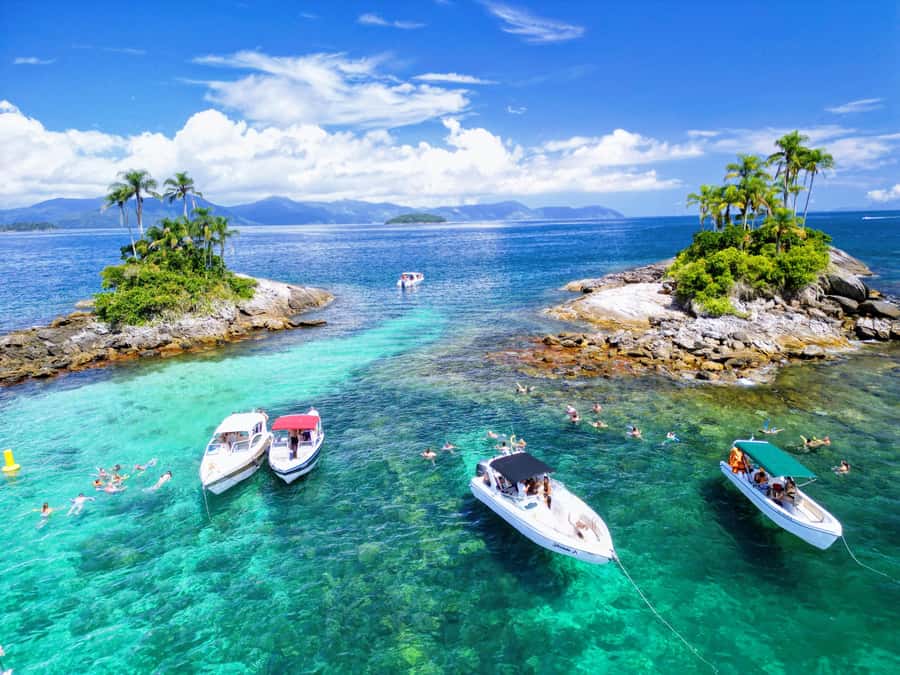
- Self-guided stop time at 5 scenic islands/beaches, where you choose your pace
- Clear, sheltered snorkeling water around Cataguás, Botinas, Ponta da Piedade, and Praia do Dentista
- No-pier beach landings: you might step through waist-deep water depending on conditions
- Included essentials for water time: cooler with ice, drinking water, pool noodles
- A famous finish at Praia do Dentista for photos, swimming, and snorkeling
How the 7-hour pace works from Vila do Abraão
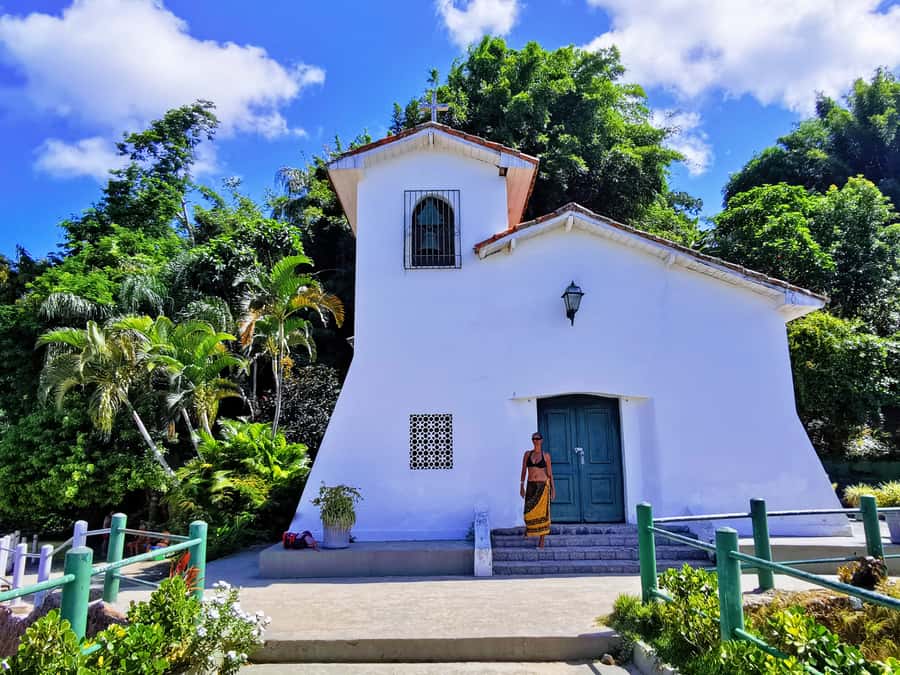
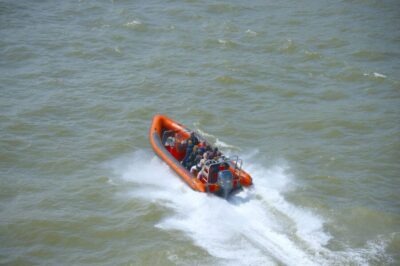
This is a speedboat tour, but the vibe isn’t frantic. The day is structured around a cruise plus multiple hop-off breaks, so you’re not stuck watching the same view for hours. You start in Vila do Abraão and cruise through Baía da Ilha Grande toward the Angra dos Reis “paradise islands” area. Along the way you’ll get sightseeing from the boat—small islands, white sand, shallow turquoise water, and mainland mountain views across the bay.
Then the rhythm kicks in: the boat pulls up, the crew keeps an eye on things, you’re given a time window, and you do your thing. That matters because “beach time” can mean anything on tours. Here, it means real freedom: get in the water, snorkel, walk a bit, take photos, or stay onboard and rest if you want.
One important reality check: your day depends on sea and weather. If conditions change, the captain can adjust the order or timing of stops, and safety comes first. Also, since it’s shared, the boat can’t wait for late passengers, so show up ready.
From Caiçara Turismo to the first break: what’s the practical flow?
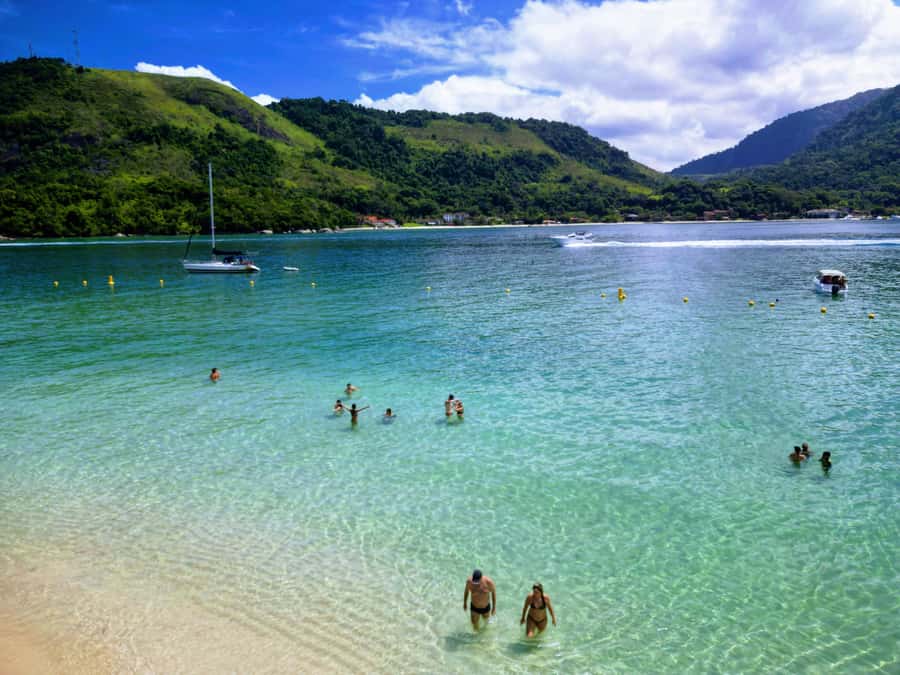
Your starting point is Caiçara Turismo Ilha Grande. You present your ticket to get your wristband, and then the operator guides you to the speedboat. Since it’s Portuguese-only, I’d treat it like this: listen for safety instructions, then relax into the self-guided format.
During navigation and breaks, the crew stays with the group. At stops, they typically announce how long you have, and you can remain on the boat if stepping into the water isn’t your comfort zone. When there are no piers, disembarkation is often straight onto the sand or through the water. If the sea is rough, anchoring farther out can mean a short swim or stepping through water up to the waist.
That’s why packing matters. If you hate sudden wet moments, plan for them. Bring sandals you can lose your grip on, or go with footwear designed for beach water. And keep your phone and camera in a waterproof pouch if you plan to bring them—salt spray happens fast.
Cataguás Island: snorkeling that’s actually easy to enjoy
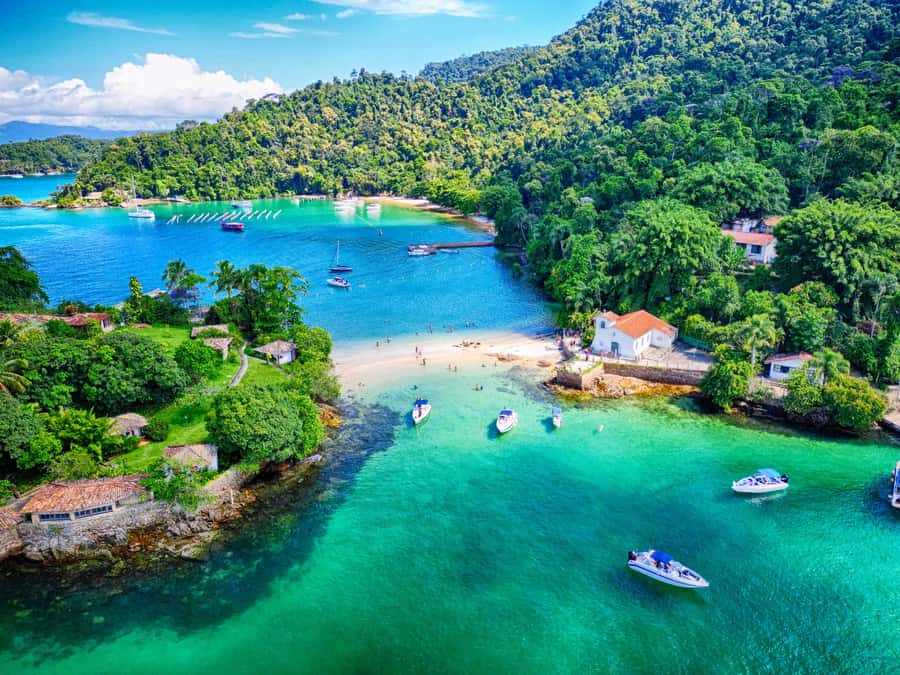
Cataguás is one of the main early stops, with about 1 hour of free time. The water here is typically the kind you’re hoping for in Ilha Grande—clear enough for visibility and calm enough that snorkeling doesn’t require superhuman focus. You can swim and snorkel right from where you’re dropped off, then spend the rest of your time walking, lounging, and watching fish and marine life in the shallows.
What I like about Cataguás as a first real stop is that it sets the day’s tone. It’s long enough to get comfortable in the water, and the surroundings tend to feel like a postcard: white sand plus the Atlantic Forest edge and sheltered bay feel.
Possible drawback: if conditions are lively, shore access can get awkward. Since many guests are there to enter the water, it can still feel like a shared scene at the most popular moments. If you want a quieter snorkel window, go early in the break, not at the “everyone splashes at once” time.
Botinas Islands: a second snorkeling hit with more time to roam
Botinas comes after a short boat transfer, with about 50 minutes at the islands. Like Cataguás, it’s set up for swimming and snorkeling, with marine life viewing and scenic photo opportunities. This stop tends to be a good “second chance” if you didn’t get the water time you wanted earlier—or if you did snorkel at Cataguás and want to repeat the experience with a fresher mindset.
The best way to use Botinas time is simple: do the water activity first, then use the remaining minutes to dry off and explore. Even if you don’t go far, you’ll usually get enough beach and coves to feel like you actually switched locations, not just swapped one patch of sand for another.
Ponta da Piedade: photos and a bit of walking
Ponta da Piedade is scheduled for about 50 minutes, and it’s another stop that blends shore time with water time. Expect a photo moment plus time to visit and walk. Snorkeling is part of the mix too, so you can rotate between standing on shore and being in the water without feeling like the whole break is “one long swim.”
This stop is also a nice reminder that the “paradise islands” aren’t just water—they’re also shoreline shape. Think coves, angles, and views framed by surrounding vegetation and the sea’s geometry. Even if you’re not a hiker, a short walk can change what you see in a way that flat beach time can’t.
Praia do Dentista: why this beach makes the itinerary
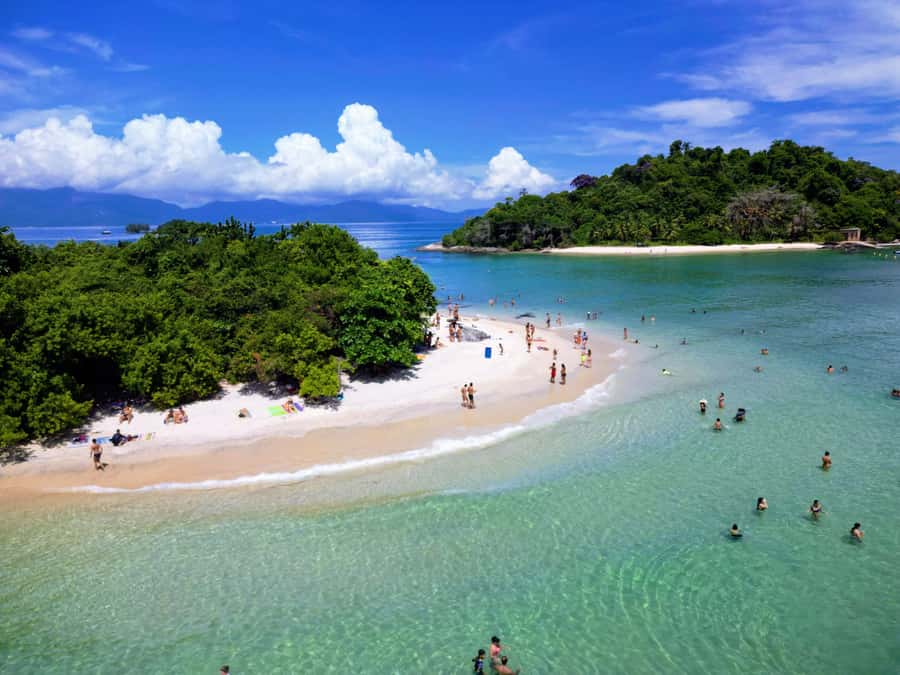
Praia do Dentista is the famous one for a reason: it’s the kind of dramatic beach stop people remember, even when they don’t do anything fancy. You’ll get about 50 minutes here, including a photo stop plus time to visit, walk, and swim or snorkel.
Here’s the real value: the tour gives you a chance to experience Dentista without the hassle of figuring out boat transfers and timing on your own. And because the tour format repeats swimming and snorkeling opportunities across multiple islands, Dentista feels like the final highlight rather than a single rushed moment.
One consideration: because it’s famous, it can be busy. If you want fewer people in your photos or in your snorkel view, aim to enter the water quickly after arrival—or spend part of the break on the less crowded edges of the stop area if you notice them.
The return cruise and the Ilha Grande lunch break (optional)
After Praia do Dentista, the boat continues back toward Ilha Grande, with a break on the island for about 80 minutes. This is where lunch is offered, but it’s optional, and meals aren’t included in the tour price. The restaurant spot can change day to day, based on sea and weather conditions, and it’s chosen by the captain.
If you don’t want the restaurant meal, you can still use this interval to swim nearby, relax, or explore the area at your own pace. In other words, you’re not boxed into a single “eat now” schedule.
This Ilha Grande break is also a smart buffer. After multiple water stops, it gives you time to reset, dry off, and refuel—so the last leg feels less like a sprint.
What’s included (and what you’ll likely pay for)
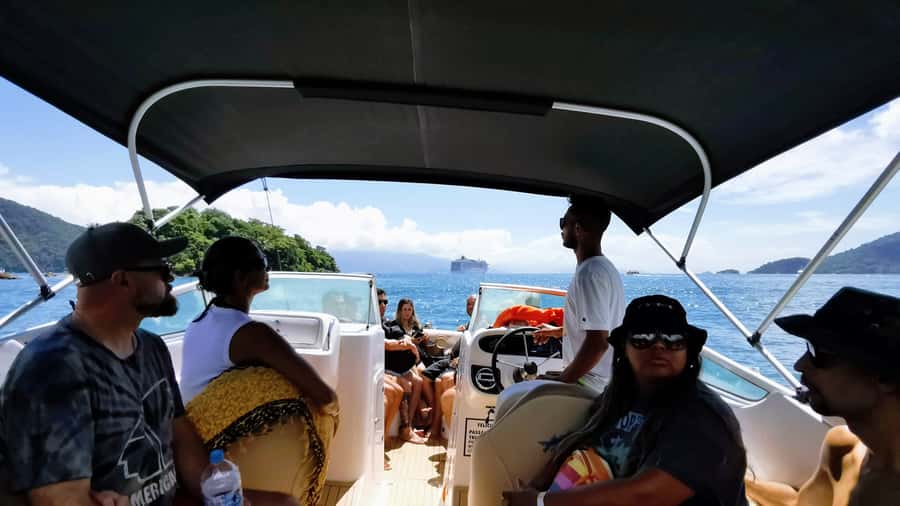
The included items are practical, not gimmicky. You get:
- Cooler with ice (and you can bring your own drinks; avoid glass bottles)
- Drinking water
- Pool noodles for swimming support
That’s helpful because you’re in and out of the water all day. The noodles aren’t magic, but they make it easier if you’re not a strong swimmer or if you just want a little extra comfort while snorkeling.
What’s not included:
- Food and drinks (the lunch option is separate)
- Snorkeling gear (you can rent it near the pier in Vila do Abraão)
If you’re planning to snorkel, budget for gear rental or bring your own if you already travel with it. Also pack for sun and wind: a windbreaker can be the difference between “nice day” and “why am I cold on a boat.”
What to pack for a saltwater day
Bring:
- windbreaker, sunglasses, sunscreen
- rain gear, beachwear, towel
- swimwear, swim-friendly sandals
- cash (useful at the optional restaurant)
- a calm attitude about wet entrances
Not allowed:
- pets
- smoking in the vehicle
- speakers
- feeding or touching animals
Safety reality: sea conditions, shore access, and seasickness
This tour runs rain or shine as long as it’s safe to sail. That’s reassuring—because you won’t get canceled at the first hint of drizzle—but it also means you should assume you’ll get some spray and changing wind.
The key safety detail is shore access. Since there are typically no piers at most locations, the captain might anchor farther out on rougher water. In that case, stepping into water up to your waist or swimming briefly may be required. The good news: if you don’t feel comfortable entering the water, you can stay on board for that stop.
Seasickness is the other big factor. This isn’t listed as suitable for people prone to seasickness, and there are also clear limits:
- children under 5
- pregnant women
- mobility impairments and wheelchair users
- people over 80
- people with recent surgeries
If you fall into any of those categories, it’s worth choosing a different style of day trip that’s easier on your body and schedule.
Value for $74: what you’re really buying
At about $74 per person for a 7-hour speedboat with multiple island stops, you’re paying for three things:
- Transport on water (boat cruise plus transfers between islands)
- Time on multiple beaches (five stops with free time)
- Basic water comforts (ice cooler, drinking water, pool noodles)
Because snorkeling gear isn’t included and lunch is optional, your true spend may be a bit higher depending on what you rent and eat. Still, the structure is good value if your goal is variety—several different coves and beaches in one day—without spending all day coordinating boats.
There’s also a “hidden cost” people often don’t think about: crowds. This tour can be a shared scene at popular stops, especially Dentista. If your top priority is quiet, you might find the schedule a little too mainstream for your taste. But if you want variety with easy logistics, the price makes sense.
One more quality point from guide feedback: a guide named Joseph was described as engaging and funny, and that kind of energy matters on a long day when you’re bouncing between water and shore.
Should you book this Paradise Islands speedboat?
Book it if:
- you want a 7-hour island-hopping day with multiple swim/snorkel chances
- you like the idea of self-guided breaks (no rigid schedule once you’re at the beach)
- you’re comfortable with basic beach-water entries and changing conditions
Skip it (or choose a different format) if:
- you’re prone to seasickness or you don’t handle boats well
- you need guaranteed easy, step-free shore access
- you’re chasing totally quiet beaches and hate the idea of shared popular spots
- you have strict timing (like ferry or cruise connections), since the boat can’t wait for late arrivals
If you’re going, do the smart prep: sunscreen and a windbreaker, water shoes or sandals you trust, and rent snorkeling gear near Vila do Abraão if you don’t bring your own. Then you’ll use the day the way it’s designed to be used—your time, your pace, and a lot of genuinely pretty Atlantic coastline in one run.
FAQ
How many stops are included on the tour?
The tour includes five main stops with free time at each one, plus cruising time between locations and a final return to Vila do Abraão.
Is lunch included in the price?
No. Lunch is optional at a seaside restaurant during the island break, and meals aren’t included. The restaurant location can change depending on sea and weather.
Do I need to bring snorkeling gear?
Snorkeling gear is not included. You can rent snorkeling gear near the pier in Vila do Abraão.
What language is the tour conducted in?
The tour is conducted in Portuguese, but international visitors are welcome because the stops are self-guided with free time.
What’s included in the tour besides the boat rides?
You get a cooler with ice, drinking water, and pool noodles for swimming support.
What should I bring for the day?
Bring windbreaker, sunglasses, sunscreen, rain gear, beachwear, a towel, drinks, swimwear, cash, and sandals.
What happens if the sea is rough near the beaches?
If sea conditions require it, the captain may anchor farther from shore. You may need to step through waist-deep water or swim briefly to reach land, but you can also stay on the boat during the stop if you don’t want to enter the water.