REVIEW · DA NANG
Hoi An/Da Nang: Snorkelling & Island-Hopping Speedboat Tour
Book on GetYourGuide →Operated by Pacific Boat Phu Quoc Snorkeling · Bookable on GetYourGuide
I went looking for coral, not crowds. This speedboat tour to the Cham Islands turns that goal into a simple day plan: two focused snorkeling stops, a beach break, and lunch without the usual side quests. Guides such as Cha Cha (and others like Fi, Sam, Phi) keep things practical—show you where to go, swim nearby, and share stories about the Cham people while you’re in the water.
What I like most is the “stay out of the chaos” approach. You go in a 20–25 person small group on a faster speedboat, which helps you spend more time exploring and less time feeling seasick. The schedule also avoids the usual tourist-trap add-ons like heavy shopping stops or random sightseeing. One thing to double-check before you book: pickup/drop-off is listed for Hoi An (and New World Hoiana resort area isn’t included), so your hotel location matters.
In This Review
- Key highlights you’ll care about
- Snorkeling the Cham Islands with a small-group speedboat
- Morning timing: how pickup and the Cua Dai ride set the tone
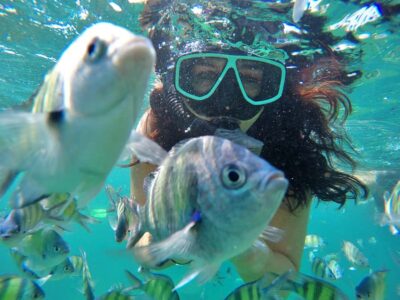
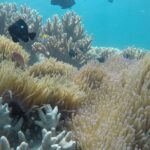
- Dai Island snorkeling: soft coral, colorful fish, and an easy entry
- Tai Island snorkeling: hard coral, fish variety, and fish feeding
- The boat ride and gear: built for comfort and staying safe
- Beach lunch at Chong or Ong: food, showers, and a real break
- Avoiding the tourist-trap feeling: what this tour leaves out
- Price and value at about $63 per person
- Who should book this Cham Islands snorkeling tour?
- Should you book it?
- FAQ
- How many times do you snorkel on this tour?
- Where is pickup and drop-off included?
- What’s included in the price?
- Are drinks included onboard?
- What happens if the weather is bad?
- How big are the groups, and what language is the tour in?
Key highlights you’ll care about
- Small group (20–25): less jostling in and out of the boat, and more calm in the water
- Fast speedboat: designed to cut down on seasickness risk and keep your reef time up
- Two reef stops: Dai Island for soft coral and fish, then Tai Island for hard coral and more activity
- Uncrowded snorkeling when conditions allow: guides aim for spots with little boat traffic
- Lunch plus real refreshment: a proper meal, drinks onboard, and fruit on the cruise
Snorkeling the Cham Islands with a small-group speedboat
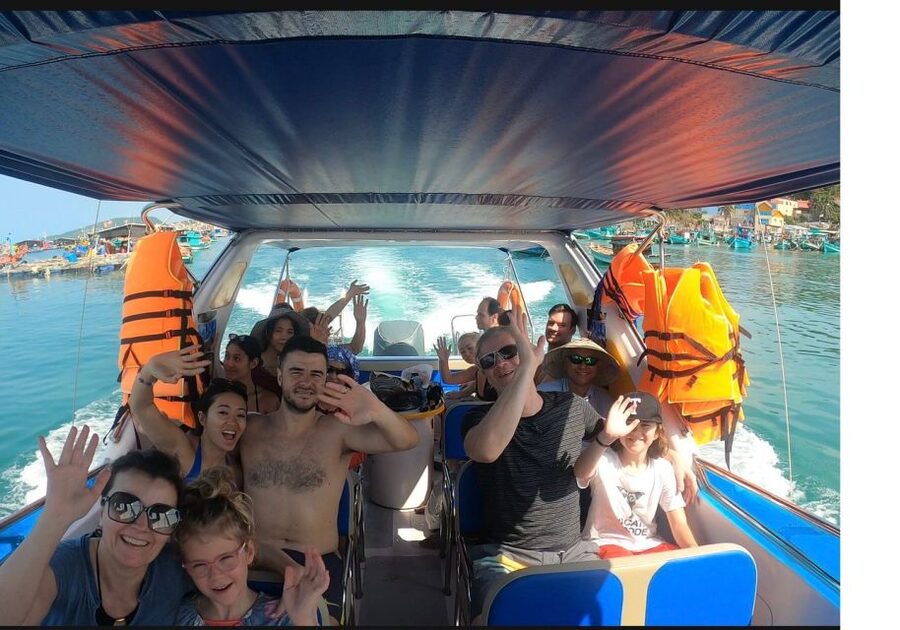
The Cham Islands trip works because it’s built around one priority: snorkeling. You’re not dragged through a long menu of temples, caves, or shops first, then given one short swim at the end. Instead, you get a clear sequence—boat ride, two underwater sessions, then beach time to reset.
The tour also leans toward calmer logistics. A lot of Vietnam boat days are crowded, slow, and a bit chaotic when everyone hits the same ladder at once. Here, the group size is kept to 20–25 people, and the pace is tuned for people who actually want to see coral rather than just collect stamps.
And yes, the day is still active. You’re moving between islands and spending meaningful time in the water. But it feels controlled, not rushed. That’s the difference between a reef day you remember and a reef day you survive.
Morning timing: how pickup and the Cua Dai ride set the tone
The day starts early, but it’s not a “wake up at 5 a.m. for nothing” situation. You’ll be picked up around 8:30 in Da Nang and around 8:45 in Hoi An, then you head toward Cua Dai Harbour (arriving around 9:15).
This part matters more than you might think. If pickup runs late, snorkeling time gets squeezed, and the second reef stop can turn into a quick dip. The tour’s schedule is tight enough that it pays off when pickup is smooth.
One practical note: the tour includes hotel pickup/drop-off in Hoi An and specifically says it does not include pickup/drop-off in the New World Hoiana resort area. So if you’re staying at a big resort complex, don’t assume the shuttle automatically covers you. Confirm your exact pickup point when you book, especially if you’re not in central Hoi An.
Dai Island snorkeling: soft coral, colorful fish, and an easy entry
Your first snorkeling session starts around 10:15 at Dai Island, with about one hour in the water. This first stop is a big confidence-builder, especially if you’re new to snorkeling. The tour provides masks and snorkels, and people report they fit well and don’t leak.
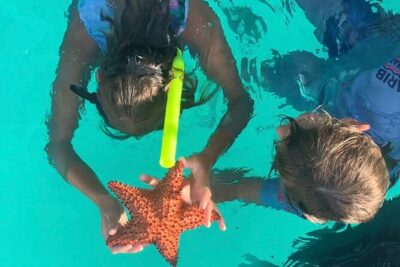
In the water, Dai Island is described as a place with soft coral and colorful fish. That combination tends to be great for sighting without needing fancy skills. You’ll likely spend your time looking at branching shapes, watching fish hover near coral edges, and checking the shallower zones where visibility is often best.
Two tips that help here:
- Keep close to your guide. They’ll point out where the action is, and you’ll waste less time “wandering” by accident.
- If you’re even a little nervous, use this first stop to get comfortable with breathing and buoyancy. The second stop is where you’ll feel more relaxed and enjoy it more.
Depending on conditions, the guide may adjust where you snorkel to keep the water clear and the experience worthwhile, rather than sticking rigidly to a plan that looks cloudy that day.
Tai Island snorkeling: hard coral, fish variety, and fish feeding
After the first session, you move to the second snorkeling spot at Tai Island around 11:30 for another one hour. Tai Island is described as having hard coral and colorful fish, which can look totally different from a soft-coral area. If the first stop feels like slow browsing through a garden, the second often feels like a bigger “habitat picture” where fish seem more active.
There’s also a fish feeding element at this stage. That can be fun, and it can also change where fish gather. One caution: fish feeding can attract attention from fish, but it’s not the best moment for careless flailing. Stay controlled, keep your gear in position, and follow the guide’s safety cues.
A detail I’d take seriously: people report that snorkeling quality depends on weather and water conditions. If water is cold or you tire faster, it can be harder to hold position. If you run cold easily, bring a plan for that (like a rash guard or other light coverage), because the sea can feel chilly depending on season.
The boat ride and gear: built for comfort and staying safe
This tour uses a speedboat and is specifically positioned as a way to avoid seasickness. In real life, seasickness isn’t always predictable, but the faster, more efficient ride usually helps people who are sensitive to choppy water.
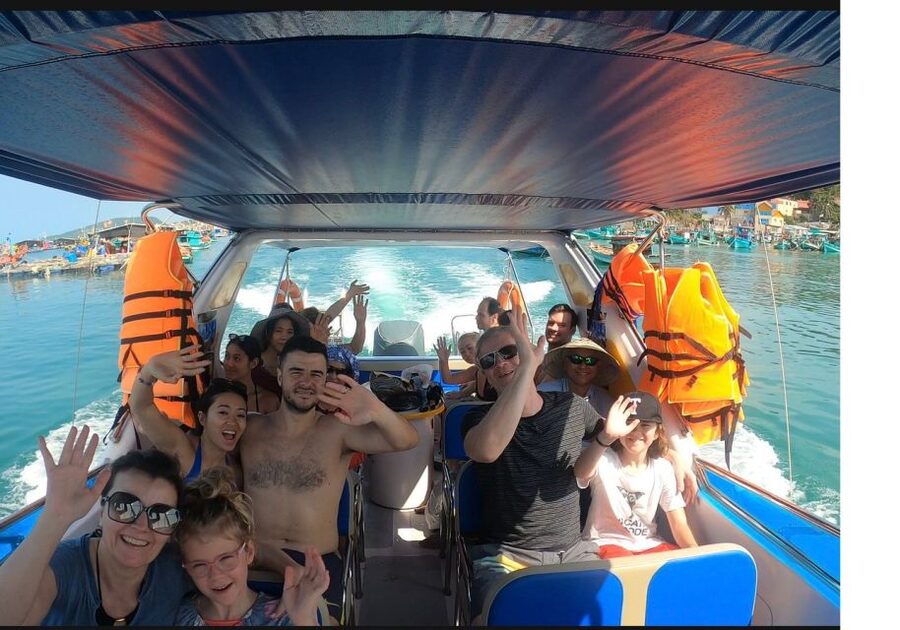
The boat setup is also part of the comfort story. People describe the boat as spacious, and they mention unlimited drinks onboard, including cold water plus soda options (cola, Fanta) and even beer. Fresh fruit—like watermelon and pineapple—is also served during the cruise.
Most importantly, the guides don’t treat snorkeling as a “good luck out there” activity. Guides like Cha Cha and others are reported to get in the water with you, check that you’re okay, and help you back to the boat. If you’ve ever been in water where you feel unsure you’re doing it right, this kind of hands-on support changes the whole experience.
Beach lunch at Chong or Ong: food, showers, and a real break
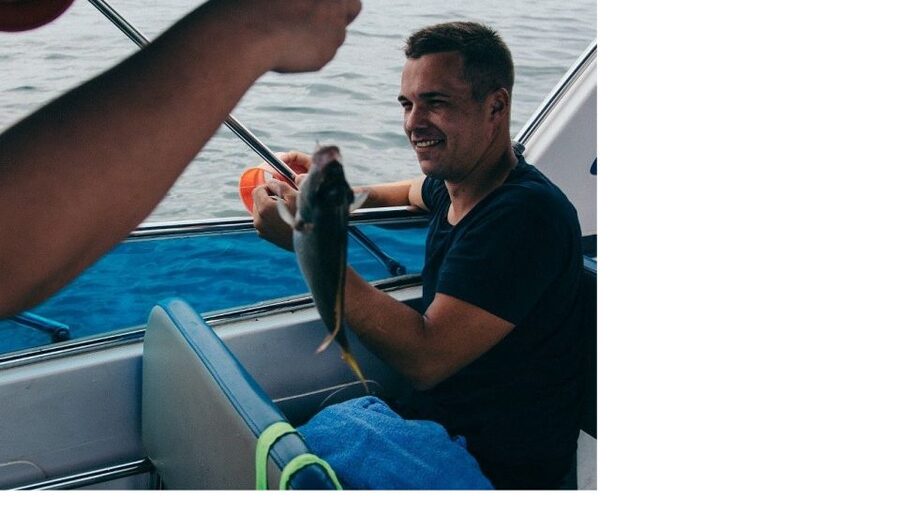
By 13:00, you’re eating lunch at Chong or Ong Beach. This is not a sad roadside meal. You get a proper lunch, and people describe it as plentiful and tasty, with some calling it traditional Vietnamese food. Others mention lots of food options, including seafood-focused dishes.
You’ll also get time to relax. After lunch, you typically have around one hour on the island beach (some descriptions suggest about 1 hour and 15 minutes). That window is gold. Snorkeling days can make you hungry and tired fast, and beach time helps you recover before the ride back.
Practical comfort details are included in the experience notes: the beach area has toilets and showers, and there’s an option to order extra drinks. In other words, you can reset without turning it into a logistics problem.
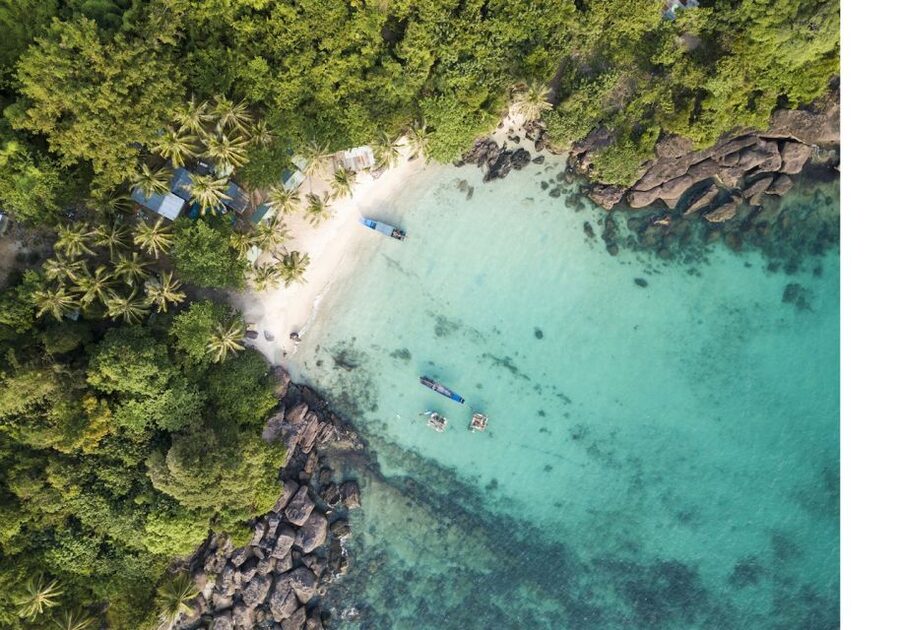
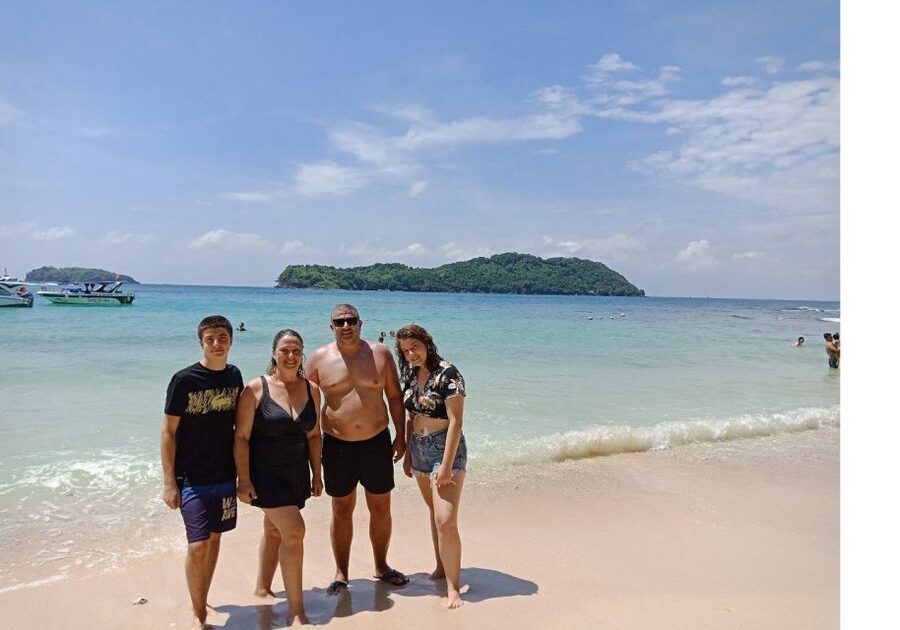
The beach itself is part of the payoff. People describe it as quieter and more peaceful than the busier mainland areas, and guides seem to aim for spots that feel less crowded—sometimes finding areas with minimal boat traffic.
Avoiding the tourist-trap feeling: what this tour leaves out
A lot of Central Vietnam coastal tours include extras that don’t help your snorkeling day. Here, the approach is to focus on snorkeling and island hopping rather than turning the schedule into a checklist of attractions.
The plan avoids things like shopping-heavy stops or extra tourist add-ons such as sea walker experiences. That matters because each extra stop is time you could be underwater. It also matters because crowded attractions can ruin the mood of a day that’s supposed to be about calm water and coral viewing.
It’s a smart trade: you give up some variety in land-based sightseeing, but you protect the part you came for.
Price and value at about $63 per person
At $63 per person, this isn’t the cheapest boat day on the coast. But it’s not overpriced if your priority is snorkeling quality and a smooth, safety-focused guide.
Here’s what you’re paying for in practical terms:
- Two snorkeling sessions instead of a token single stop
- A speedboat ride that saves time and helps reduce seasickness issues
- Lunch plus drinks onboard, which cuts down on extra spending during the day
- Small-group organization (20–25 people), which usually means less waiting and fewer crowds in the water
- A guide who actually stays engaged, swimming with you and guiding where to look
If you’re the type who wants a multi-activity tour with temples, caves, and shopping, then $63 can feel steep compared to cheaper group tours that bundle everything. But if you want coral and fish time first, the pricing starts to look fair, especially with drinks and a solid lunch included.
Who should book this Cham Islands snorkeling tour?
This tour fits best if:
- Snorkeling is your main goal, not a side activity
- You want a smaller group feel and less crowded water
- You prefer a day that stays organized and doesn’t turn into a shopping circuit
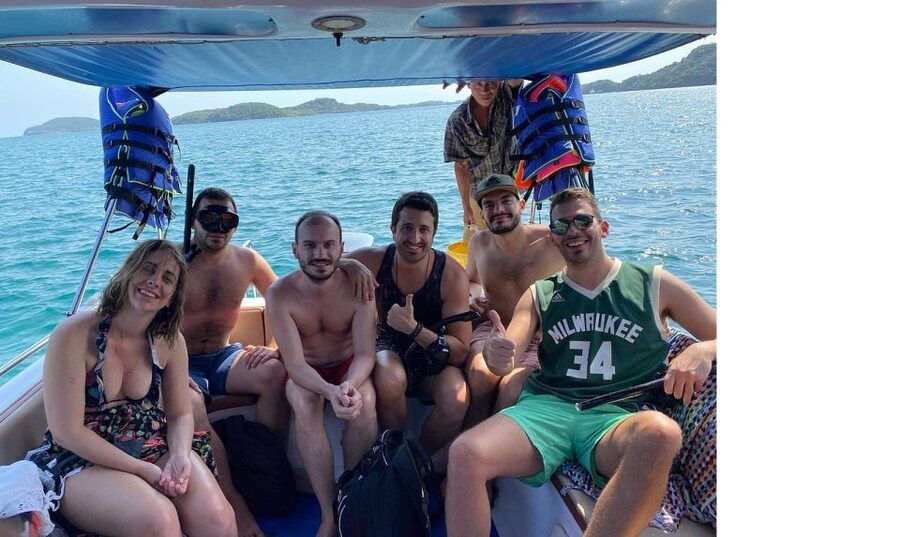
- You’re traveling with friends or solo and still want a clear plan and guide support
It may be less ideal if:
- You specifically want a lot of land-based sightseeing time
- You’re in a pickup area that isn’t clearly covered (double-check your hotel zone, especially if you’re at New World Hoiana resort area)
- You’re extremely sensitive to cold water and you’re booking in a season where the sea feels chilly for you
Should you book it?
If your idea of a great day in Hoi An or Da Nang is coral, fish, and a calm beach break afterward, I’d book this. The small group, the two well-timed snorkeling stops, and the fact that the day stays focused (not stuffed with extra errands) make it good value for the type of experience you’re shopping for.
Before you hit reserve, do two quick checks: confirm your pickup/drop-off area, and don’t forget that snorkeling depends on weather. If the sea is rough or visibility is poor, you’ll either switch dates or get a full refund—so you’re not stuck with a wasted booking.
If that all lines up with your travel style, this is one of the more straightforward ways to get a strong snorkeling day on the Cham Islands.
FAQ
How many times do you snorkel on this tour?
You snorkel at two different locations. The schedule is about one hour at the first snorkeling spot and about one hour at the second.
Where is pickup and drop-off included?
Pickup and drop-off are listed for Hoi An, not Da Nang. The schedule also includes Da Nang hotel pickup at around 8:30, so it’s smart to confirm your exact pickup point when you book. Pickup/drop-off in New World Hoiana resort area is not included.
What’s included in the price?
The tour includes hotel pickup and drop-off (where listed), a guide, speedboat, lunch, drinks, and all fees and taxes.
Are drinks included onboard?
Yes. Drinks are provided during the cruise, and you’ll have cold options available onboard.
What happens if the weather is bad?
If the tour is canceled due to poor weather, you’ll be offered a different date or a full refund.
How big are the groups, and what language is the tour in?
The tour runs as a small group of about 20–25 people. The guide speaks English.