REVIEW · SETUBAL DISTRICT
Coasteering and Speedboat, Arrábida Setúbal, Sesimbra near Lisbon
Book on Viator →Operated by Wind Centro de Atividades de Montanha · Bookable on Viator
Cliff jumps, with real safety brains. This coasteering-and-speedboat adventure along Arrábida near Lisbon mixes coastal scrambling and water time with quick support from a speedboat, plus pickup/drop-off from your chosen spot. It’s a physical, outdoor way to see this stretch of Portugal up close, not from a viewpoint on the road.
I also like that Wind provides the coasteering equipment and includes personal accident insurance, so you’re not scrambling for gear before you arrive. Guides such as Filipa and Rafael are described as patient and safety-focused, and they can match the challenge level for different abilities, including beginners. One consideration: this is a rugged, wet activity, and you should have moderate physical fitness and comfort with rocky footing and jumps.
In This Review
- Key points before you go
- Coasteering and speedboat near Lisbon: why Arrábida feels special
- Morning start at 10:30 and the feel of Praia de Alpertuche
- Lapa de Santa Margarida: caves, jumps, and the tide factor
- Speedboat support: how the day stays paced and safe
- Gear, wetsuits, and safety standards you can feel
- Guides make the difference: Filipa, Rafael, Simon, and Eddie
- Price ($78) and what makes it good value for 3 hours
- Who should book this coasteering tour from Sesimbra and near Setúbal
- Should you book Wind’s Arrábida coasteering and speedboat trip?
- FAQ
- How long is the coasteering and speedboat experience in Arrábida?
- What’s included in the price, and what isn’t?
- Is pickup available from Lisbon or nearby areas?
- What language is the tour offered in?
- What fitness level do you need?
- What happens if weather is poor?
Key points before you go
- Pickup/drop-off on request makes the Lisbon-area logistics easier than you’d expect
- Gear is provided (so you only need your own snacks and water plan)
- Beginners are welcome, with guidance to choose the right jump options
- Low tide can change access, affecting caves and which jump points work
- Guides bring local context, including marine-life knowledge from at least one guide
- Speedboat support helps move the day along and keeps the group in sync
Coasteering and speedboat near Lisbon: why Arrábida feels special
If your Lisbon trip is trending toward museums and tram rides, this is a hard left into Portugal’s coastline style. Coasteering is all about moving along the coast on foot and in the water, without a boat doing the work for you. In this version, Wind blends that “climb and swim” energy with speedboat support, which matters more than it sounds. It helps the day feel organized, and it keeps the focus on your routes and safety.
Arrábida sits just outside Lisbon and near Setúbal and Sesimbra, and the area is all about dramatic cliffs, sea caves, and short bursts of jumping. The stops are Praia de Alpertuche, Lapa de Santa Margarida, and then time in the Arrábida Natural Park area. Expect a mix of scrambling, guided pacing, and moments where you pause because the views are too good to rush.
The best part is that the experience is set up for different comfort levels. Reviews include families with teens and first-timers who felt safe, and that usually comes down to one thing: instruction. Your guide’s job is to make sure you can choose the right height, land safely, and move efficiently through the rocky in-between parts.
Morning start at 10:30 and the feel of Praia de Alpertuche
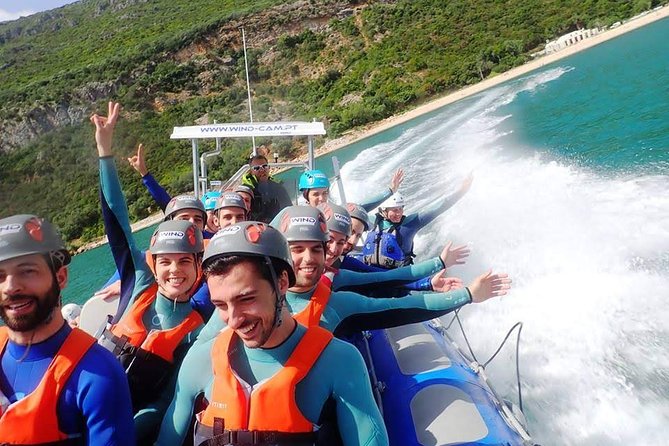
You’ll start at Parque Natural da Arrábida, with the activity beginning at 10:30 am and running about 3 hours. That timing is practical: you’re not starting at the crack of dawn, but you’re also not burning the whole day. Once you arrive, you can expect a briefing and gear setup before you move to the water.
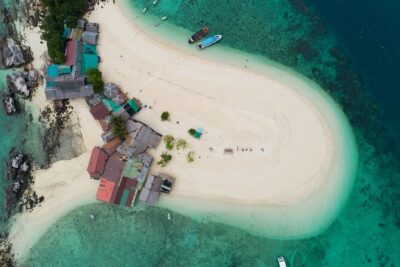
Praia de Alpertuche is Stop 1, and it’s a great place to get oriented. This is where you learn how the day’s rhythm works: listen closely, practice the basics your guide emphasizes, and get comfortable with the wetsuit and footwear before things get more adventurous. You’re not just “doing a thing.” You’re learning the movement patterns that keep coasteering fun instead of stressful.
One thing I’d plan for mentally: early on, your brain is still processing the coast. Even if the jumps look manageable from a distance, standing above the water on a rocky edge feels different. The best days make you feel coached, not rushed. In the reviews, guides corrected jump form and encouraged participants to use safer options when needed, including for higher jumps that take confidence.
Lapa de Santa Margarida: caves, jumps, and the tide factor
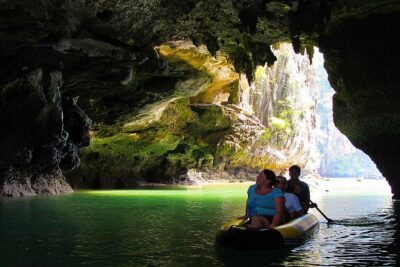
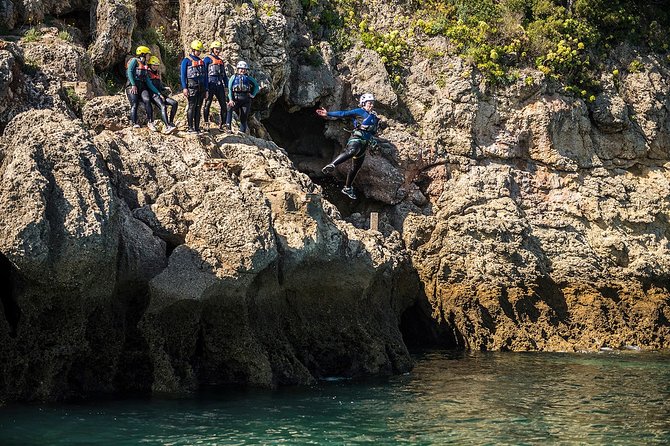
Stop 2 is Lapa de Santa Margarida, and this is where the day turns extra memorable. Sea caves and under-surface passages are the reason people travel to this stretch in the first place. The guide also gets more room to add context—one guide described in reviews, Eddie, is a marine biologist, and that kind of expertise changes the tone from thrill-only to thrill-with-understanding.
Here’s the practical thing you should know: the tide can shift what’s accessible. One review highlights a low-tide day where certain caves and pathways were reachable that normally aren’t. The tradeoff at low tide is that the highest jump points may not be usable, which sounds like a downside until you realize it just changes the risk equation. You’ll still get the “cliff to water” moments, but the route can adapt.
If you want the most options for higher jumps, you’ll often do better with conditions that leave jump points available. If you’re mainly there for the coastal adventure and cave time, low tide can actually add variety. Either way, this stop rewards patience and following the guide’s call on where to go and what jump height fits your comfort level.
Speedboat support: how the day stays paced and safe
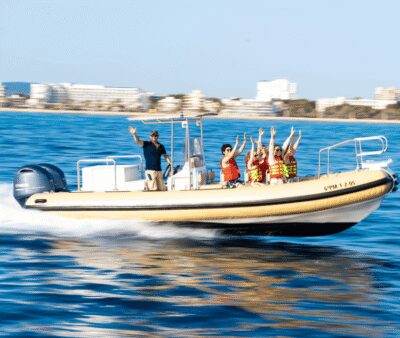
Even though coasteering is the headline, the speedboat support is quietly important. In the group setup described, Samuel is noted as support on the speedboat, and that fits what this activity needs. When you’re transitioning between coastal sections, you want the group to regroup efficiently and you want safety planning to be active, not reactive.
Think of the speedboat as your “we’re running a tight operation” tool. It helps transport the group between points and gives staff a reliable way to respond while you’re doing the on-foot and water parts. That usually leads to shorter idle time and fewer awkward logistics moments for you.
It also changes how you can handle your energy. You’re working continuously, but you’re not constantly scrambling for orientation. The combination of guided coastal movement plus a support vehicle tends to keep the day’s structure clear, especially for beginners or mixed groups.
Gear, wetsuits, and safety standards you can feel
What you get included is a big part of the value: coasteering equipment, GST, and personal accident insurance. That means you’re paying for the activity setup, not just the instruction. The reviews repeatedly highlight that gear is in great condition and that safety standards are high.
Wetsuits come up in reviews too, with comments that they keep you warm. That matters in Portugal’s coastal waters, because being cold makes every movement harder. When your body stays warmer, your technique improves, and you’re less likely to panic mid-step.
Footwear is another real factor. One review points out that swimming can feel difficult because you’ll be wearing heavy shoes. That’s not a reason to skip the tour, but it is a reason to respect the water time and move with your guide’s pacing. If you tend to rush when you’re tired, this activity will punish that habit.
One detail I’d call out because it affects how you picture the challenge: a review notes that there isn’t a harness type for the climbing. That doesn’t mean it’s unsafe; it means you’re relying on balance, route choice, and the guide’s coaching. The best experience happens when you treat the briefing and technique adjustments as part of the fun, not as paperwork.
Guides make the difference: Filipa, Rafael, Simon, and Eddie
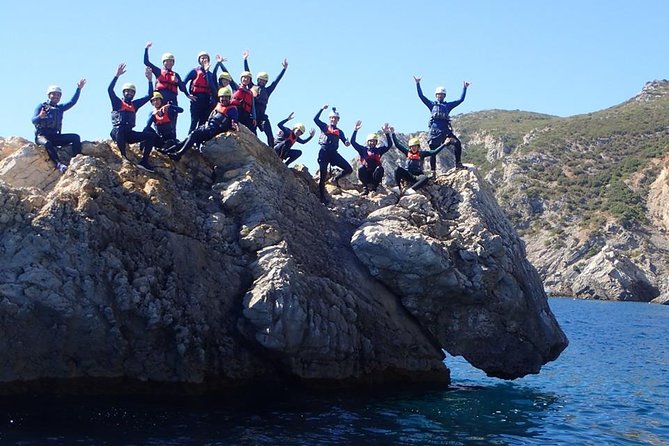
Wind’s guides appear to be the secret sauce. Filipa is mentioned for being kind and helpful, with a clear sense of keeping participants safe while still making the activity feel exciting. Rafael comes up for friendliness and for creating a sense of safety without making the day feel too easy.
Simon, Samuel, and Lena are described as putting first-timers at ease, and that blend matters. Coasteering can look intense, but it’s the guidance—how you choose jump heights, how you land, how you move over rocks—that determines whether you finish smiling or second-guessing every step.
Eddie is highlighted for knowledge about the area, including history, marine life, and a visible excitement for the activity. Even if you’re there for adrenaline, local context makes the time feel more meaningful. Instead of just jumping and moving, you start noticing sea life, coastal features, and why certain spots matter.
Price ($78) and what makes it good value for 3 hours
At $78.02 per person for about 3 hours, this isn’t a cheap “walk around outside” activity. But the cost isn’t just instruction. You’re getting gear plus personal accident insurance, and GST is included. For many people, that’s the real value: it prevents the two biggest hidden costs of outdoor adventure—equipment hassle and added safety uncertainty.
You’ll also want to look at what’s not included. Snacks aren’t included, and private transportation isn’t included. So you should plan for food and energy yourself. The highlights specifically suggest bringing snacks and water if you think you’ll need it. For a wet, physical day, that’s not optional thinking. It’s practical.
If you’re staying in Lisbon, you have two sensible transport paths. Pickup/drop-off is offered from your designated spot, with an extra transfer service available on request where you define the pickup and drop-off location (price on request). And at least one review notes it’s easy to use Uber for the trip there and back. Either way, you’re not locked into a single transportation headache.
Who should book this coasteering tour from Sesimbra and near Setúbal
This coasteering and speedboat trip is best for people who want active travel and can handle wet, rocky environments. The tour calls for moderate physical fitness, and that matches what coasteering actually demands: you’ll climb, step, and move in and around water.
The good news is that beginners are welcomed. Reviews include a 12-year-old and a 13-year-old having an amazing time, which suggests Wind’s guides know how to adapt challenge levels. If your group has mixed experience, that’s a plus, because the route and jump options can be handled with instruction rather than forcing everyone into the same risk level.
You might want to skip or choose a gentler day if you know you’re uncomfortable with cold water, shaky footing, or the idea of jumping into the sea. One review captures how courage and physical strength both matter, even when jumps don’t look massive from below.
Should you book Wind’s Arrábida coasteering and speedboat trip?
I’d book it if you want a real coastal adventure near Lisbon and you like the idea of being coached through jumps, caves, and scrambling with provided gear. It’s also a strong pick if you care about safety and organization, since the setup includes equipment plus personal accident insurance and the guides described focus on keeping people comfortable while still letting them progress.
Book with a weather-aware mindset and be ready for route changes from tides. If you show up rested, bring snacks and water, and listen for the jump and movement cues, you’ll likely leave with the kind of story that sounds like a special day, not a checklist item.
FAQ
How long is the coasteering and speedboat experience in Arrábida?
The duration is about 3 hours.
What’s included in the price, and what isn’t?
Included: coasteering equipment, GST (Goods and Services Tax), and personal accident insurance. Not included: snacks and private transportation.
Is pickup available from Lisbon or nearby areas?
Pickup/drop-off is offered from your designated spot for ease, and an extra transfer service is available on request after booking. You can define the pick-up and drop-off location, with transfer pricing on request.
What language is the tour offered in?
The tour is offered in English.
What fitness level do you need?
You should have a moderate physical fitness level.
What happens if weather is poor?
This experience requires good weather. If it’s canceled due to poor weather, you’ll be offered a different date or a full refund.